Repair and remediation after a burst pipe, a failed shower pan or water from the unit above. We trace how far it went, remove what cannot be saved, see the space properly dried and rebuild it to finish.
Tell us about the project and a project manager will follow up.
Before anyone arrives, these three steps limit the damage and protect your claim.
Close the fixture valve or the main shutoff. In a flat or condo, tell the building manager or the unit above right away.
Keep people away from wet ceilings that sag and from outlets or fixtures near water. Turn off power to wet areas only if you can reach the panel safely.
Photograph and video everything before anything is moved or removed. Your insurer will ask for them.

Water damage is two jobs: getting the space dry and clean, and putting it back. When different companies do each half, the homeowner ends up managing the handoff. We run it as one project with one written scope.
We open only what needs opening, document what we find, and rebuild with permits where the work calls for them.
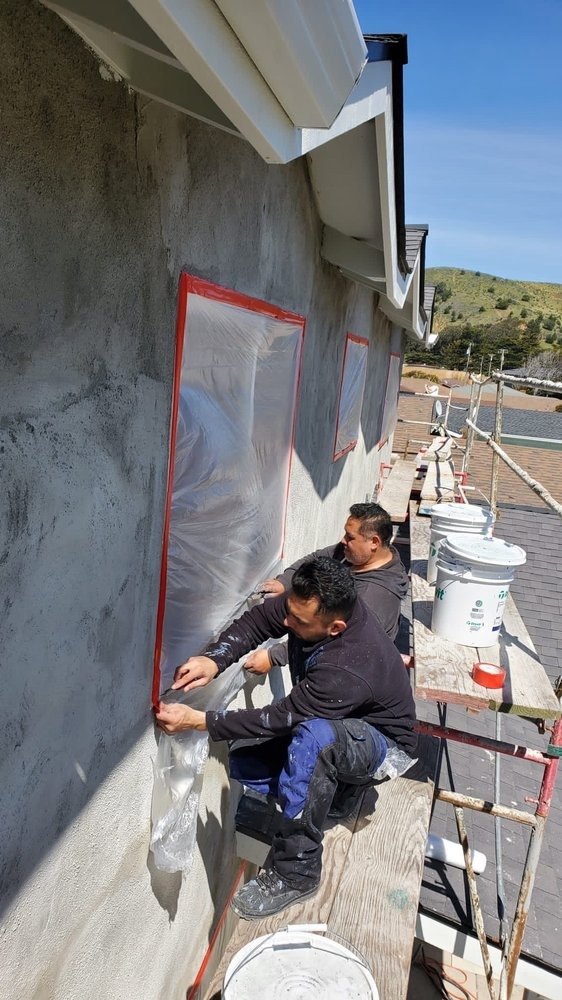
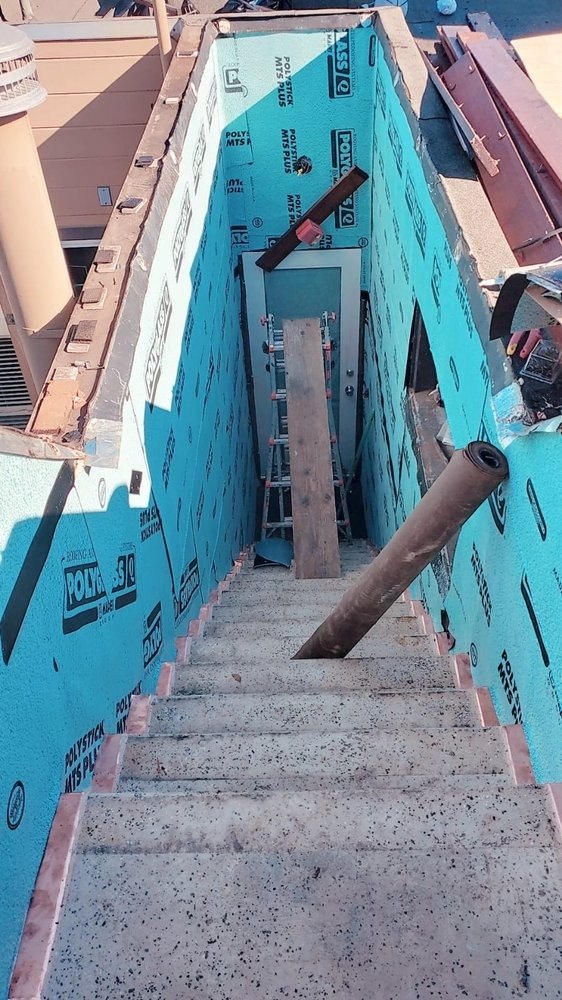
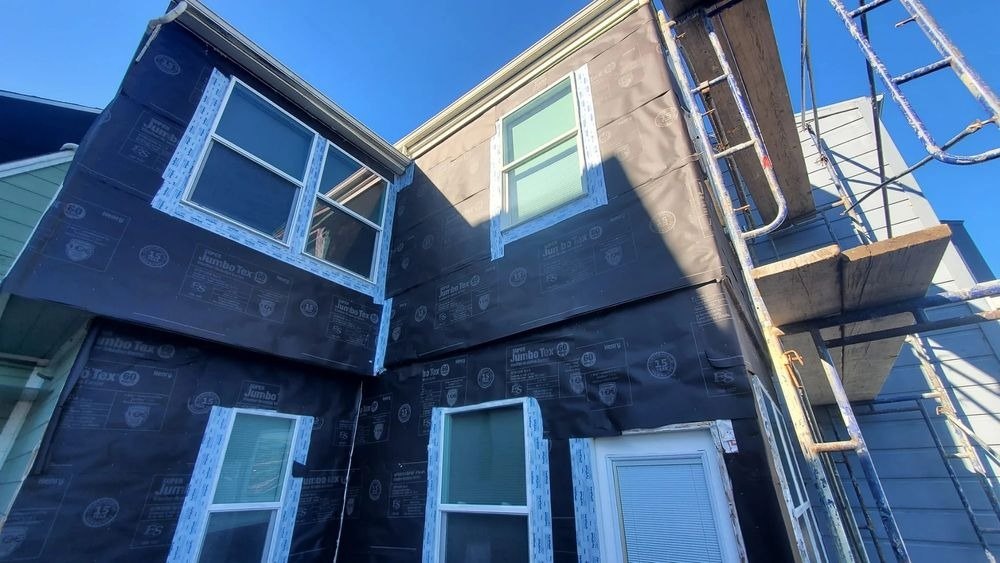
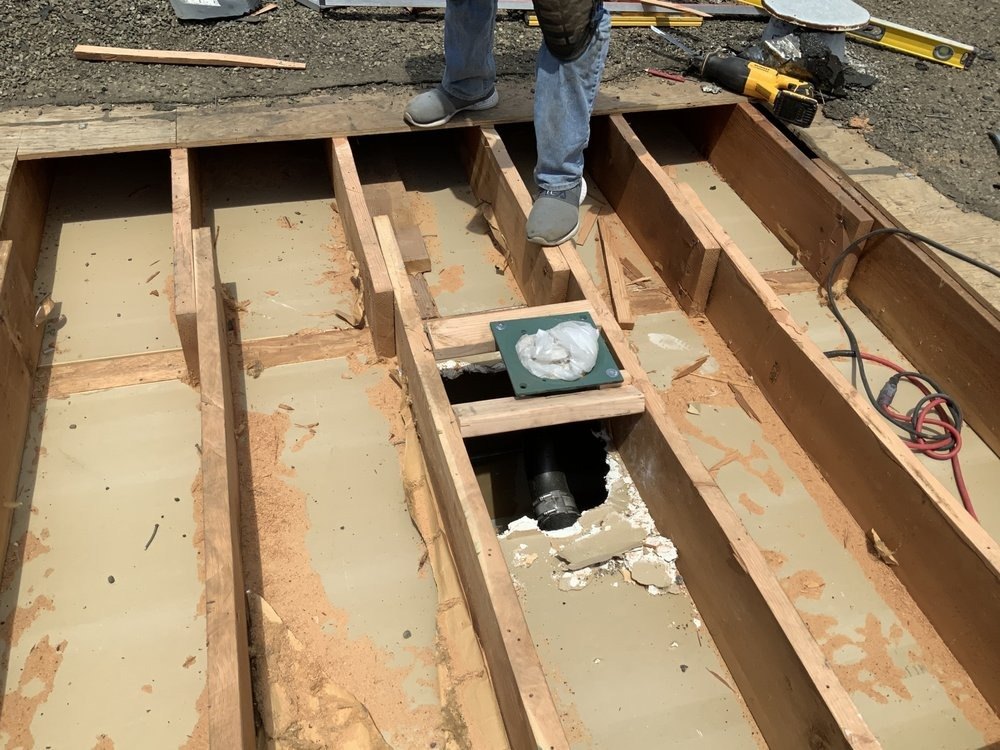
Photos from our projects.


Each step is in writing before it starts, so you and your insurer see the same scope.
We trace how far the water went, including inside walls, under floors and into the unit below, and record it in photos and a written scope.
Wet drywall, insulation, flooring and cabinets that cannot be saved come out, and the space is dried and checked before anything is closed up.
Materials with mold growth are removed and affected areas are cleaned and treated before rebuild, following accepted practice for the size of the area.
Framing, drywall, flooring, cabinets, tile and finishes are put back, permitted where the work needs it, and matched to the rest of the home where we can.
Older buildings, shared walls and stacked units mean water rarely stays where it started. A leak in one flat often shows up in the ceiling below, and storm water finds old window and deck details.
Typical sources: Failed supply lines, valves and old galvanized pipe; leaking shower pans, tub surrounds and toilet seals; leaks from the unit above in flats and condos; winter storm water through windows, walls and decks; water heater and appliance failures; water in garages and basements on sloped lots.
Water damage often turns into a bigger project. See the related services, or the neighborhoods we work in.
Residential
Commercial property?
Neighborhoods
Anything else, ask in the form at the top of the page.
Call us as soon as it happens and tell us what you are seeing. We will tell you on that call what we can do and how soon, and if the first step needs an emergency water removal crew, we will say so plainly.
That depends on your policy and on what caused the water. Talk to your insurer early. Our written scope and photos are yours to share with the adjuster.
Not always. Materials that stay wet for more than a day or two are at risk, which is why drying and checking come before rebuilding. Where growth is found, the affected material is removed and the area treated before it is closed up.
Replacing drywall and finishes usually does not. Work on framing, plumbing, electrical or a full bathroom or kitchen rebuild usually does. We tell you which at the site visit and handle the permit when it is needed.
We aim to. Older San Francisco homes often have profiles and materials that are no longer stocked, and we say at the estimate where an exact match needs custom work.
We are the right call when water has reached walls, floors, cabinets or more than one room.